

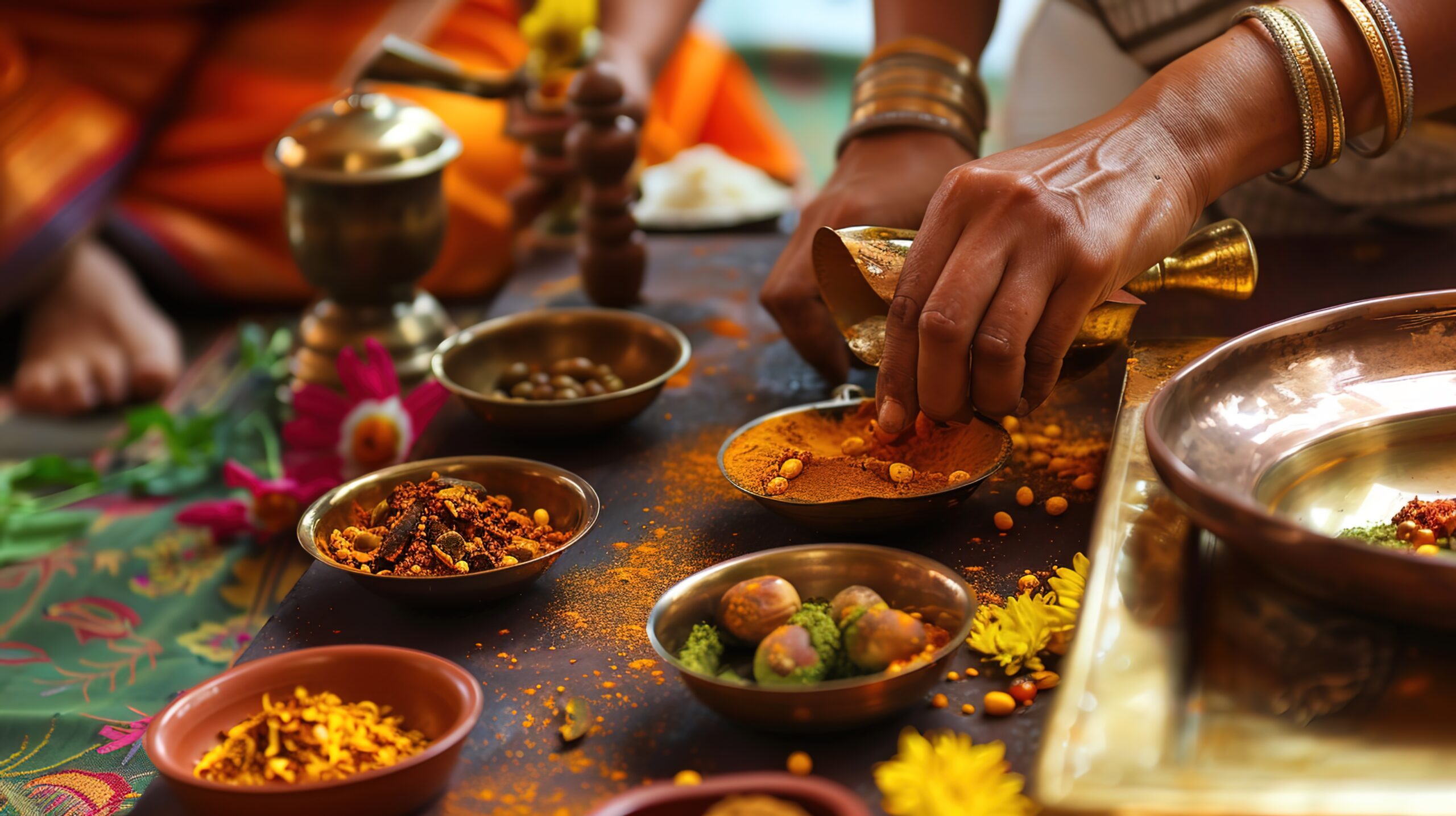
Tradition As The Foundation Of Authentic Indian Flavors
The role of tradition in creating authentic Indian flavors begins at the very foundation of Indian cooking. Indian food is not built on shortcuts or instant methods. It is shaped by generations of experience, observation, and refinement. Recipes were not written overnight but evolved slowly through family kitchens, regional practices, and cultural rituals. This deep rooted tradition is what gives Indian food its unmistakable authenticity, depth, and emotional connection. Without tradition, Indian flavors lose their soul and become just another combination of spices.
Why Traditional Cooking Methods Matter
Understanding the role of tradition in creating authentic Indian flavors requires appreciating traditional cooking methods. Slow cooking, hand grinding spices, controlled heat, and patient preparation allow ingredients to release their true character. These methods help spices bloom naturally, oils absorb aroma, and dishes develop balance. Modern shortcuts may save time, but they often flatten flavor. At UK Foods, traditional preparation is respected because it preserves the original taste that Indian food is known for.
Traditional Ingredients Create Honest Flavor
Ingredients play a powerful role in tradition. Authentic Indian flavors rely on seasonal produce, whole spices, pure oils, and natural sweeteners. Traditional cooking does not depend on artificial enhancers. Instead, flavor comes from ingredient quality and correct usage. This is a major reason why the role of tradition in creating authentic Indian flavors cannot be replaced by modern processing. UK Foods follows this principle by choosing ingredients that align with traditional standards rather than mass production convenience.
The Importance Of Regional Traditions
India’s diversity is reflected in its food. Each region has its own spice blends, cooking styles, and flavor preferences. The role of tradition in creating authentic Indian flavors is deeply tied to regional identity. South Indian foods focus on tangy and spicy profiles, North Indian dishes lean toward rich and aromatic notes, while coastal regions highlight freshness and heat. Respecting these regional traditions ensures authenticity. Blending everything into one generic flavor removes the cultural richness that defines Indian cuisine.
How Tradition Preserves Flavor Balance
Indian food is about balance, not excess. Traditional recipes carefully balance spice, salt, sourness, sweetness, and fat. This balance is learned through practice, not formulas. The role of tradition in creating authentic Indian flavors is seen in how dishes enhance meals without overpowering them. UK Foods preserves this balance by following time tested proportions instead of relying on artificial intensifiers.
Why Traditional Recipes Carry Emotional Value
Food is memory, and tradition carries emotion. Authentic Indian flavors remind people of family meals, festivals, and home kitchens. This emotional connection is a key part of why traditional flavors feel comforting and complete. The role of tradition in creating authentic Indian flavors extends beyond taste into trust and familiarity. When people recognize flavors from childhood, they feel connected and satisfied, not just fed.
Traditional Preparation Supports Better Digestion
Traditional Indian cooking was designed with the body in mind. Spices were chosen not only for taste but also for digestion and balance. Techniques like tempering spices in oil, slow cooking, and resting food allow flavors to settle and become easier to digest. This functional aspect further highlights the role of tradition in creating authentic Indian flavors. UK Foods respects this wisdom by preserving traditional preparation practices.
Why Authentic Indian Flavors Cannot Be Rushed
Time is a critical element in tradition. Authentic Indian flavors require patience. Whether it is slow roasting spices, resting mixtures, or allowing flavors to mature, rushing the process compromises depth. The role of tradition in creating authentic Indian flavors lies in understanding that good taste develops over time. Fast production may increase volume, but it reduces character and richness.
How Tradition Builds Trust In Food
Trust is built when food tastes consistent, natural, and familiar. Traditional methods deliver this consistency. People trust food that follows known practices rather than experimental shortcuts. The role of tradition in creating authentic Indian flavors is also about maintaining credibility. UK Foods builds this trust by staying rooted in traditional values while meeting modern quality expectations.
Tradition As A Bridge Between Generations
Indian food traditions are passed down from one generation to the next. This transfer of knowledge keeps flavors alive and relevant. The role of tradition in creating authentic Indian flavors is seen in how recipes connect grandparents, parents, and children. Food becomes a shared language that preserves identity and belonging. UK Foods carries this legacy forward by honoring traditional recipes that resonate across generations.
Why Modern Kitchens Still Need Tradition
Even in modern kitchens, tradition remains essential. Appliances and tools may change, but flavor principles do not. Authentic Indian flavors still depend on correct spice usage, timing, and balance. The role of tradition in creating authentic Indian flavors proves that progress should enhance tradition, not replace it. When tradition is respected, modern kitchens can deliver both convenience and authenticity.
Conclusion Why Tradition Defines Authentic Indian Flavors
The role of tradition in creating authentic Indian flavors is undeniable. From ingredient selection and preparation methods to emotional connection and cultural identity, tradition shapes every aspect of Indian food. Without it, flavors lose depth, balance, and meaning. UK Foods preserves this tradition to ensure that every product reflects genuine Indian taste rooted in heritage. Authentic Indian flavors are not created by machines or formulas but by respecting the wisdom passed down through generations.