

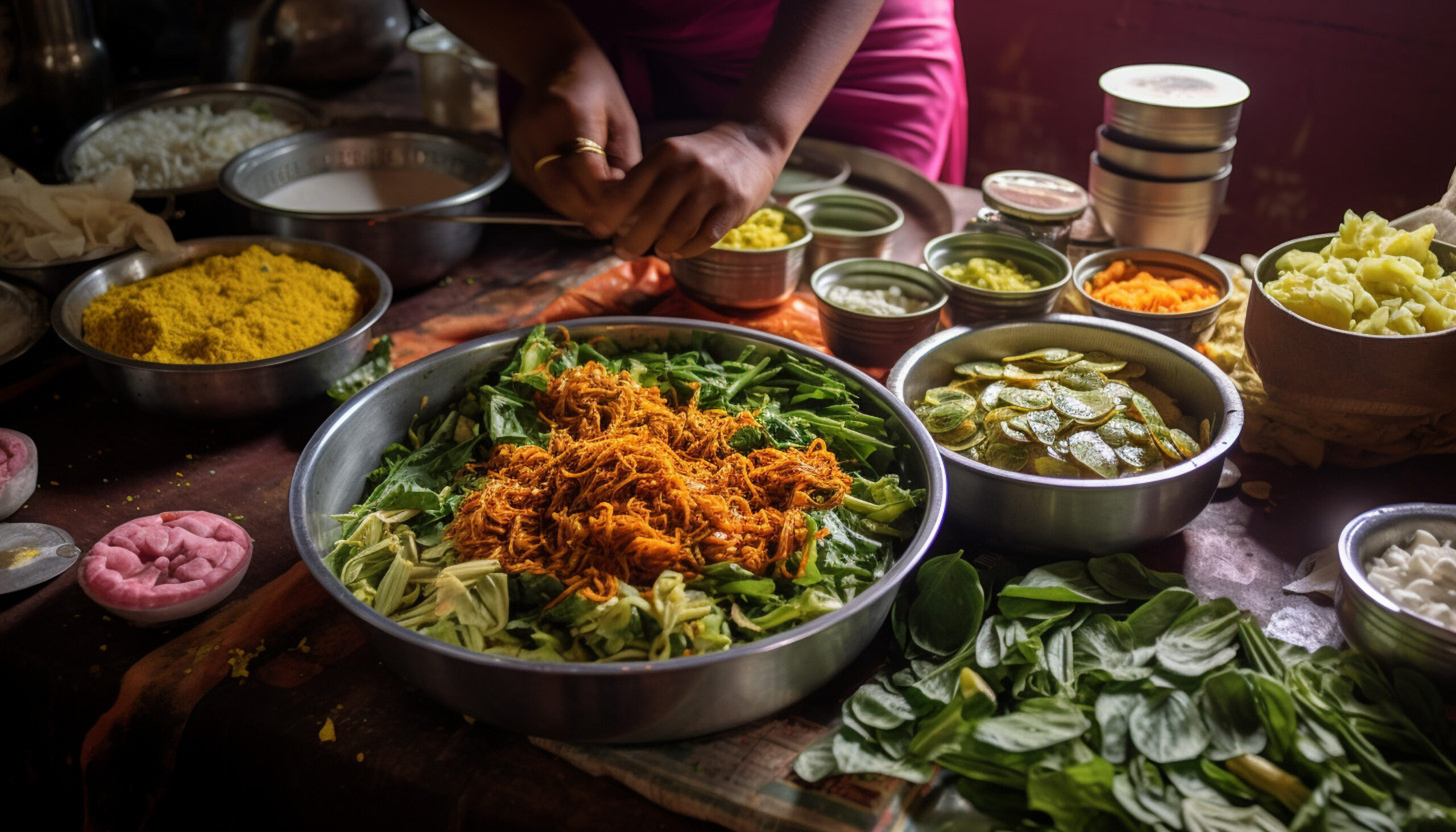
Indian Food Heritage As The Guardian Of True Flavor
Indian food heritage is not just about old recipes. It is a living system of knowledge that safeguards how food should taste and how it should be prepared. When we understand how Indian food heritage protects taste and quality, we see that heritage acts like a guardian. It prevents shortcuts from replacing patience and stops artificial flavors from replacing real ingredients. Indian food heritage ensures that flavor remains balanced, rich, and deeply rooted in authenticity rather than trends.
Why Traditional Recipes Preserve Authentic Taste
One of the strongest ways Indian food heritage protects taste and quality is through traditional recipes that have been tested over generations. These recipes are not random combinations of spices. They are carefully refined methods developed through experience. Because these recipes have been repeated and perfected over time, they naturally protect taste from dilution. At UK Foods, traditional recipes are respected and followed with care so that the final product reflects genuine Indian flavor without compromise.
Ingredient Knowledge Passed Through Generations
Indian food heritage protects taste and quality by preserving ingredient wisdom. Families traditionally understood which spices worked best together, which oils enhanced aroma, and which seasonal ingredients delivered peak flavor. This knowledge was shared through practice, not guesswork. When brands like UK Foods follow this inherited ingredient logic, they ensure that quality remains intact and flavors stay true to their roots.
Why Slow Preparation Protects Quality
Modern food production often focuses on speed, but Indian food heritage values time. Slow roasting spices, careful blending, and allowing flavors to rest are practices that enhance depth. This patience explains how Indian food heritage protects taste and quality. When preparation is rushed, flavors become sharp or flat. Heritage cooking allows spices to bloom naturally, protecting both flavor complexity and overall food quality.
Balance As A Core Principle Of Heritage Cooking
Indian cuisine is known for its balance. Spice, salt, sweetness, and richness are carefully controlled so no single element dominates. This balance is central to how Indian food heritage protects taste and quality. Balanced food feels complete and satisfying rather than overwhelming. UK Foods maintains this traditional balance to ensure every product delivers harmony in flavor rather than intensity without control.
Cultural Standards That Maintain Consistency
Indian food heritage includes unwritten cultural standards. Certain dishes are expected to taste a specific way. These expectations act as quality control. If flavor shifts too far from tradition, it is quickly recognized. This cultural accountability is another reason how Indian food heritage protects taste and quality. Consistency builds trust, and heritage naturally enforces that consistency across generations.
Why Natural Methods Enhance Purity
Heritage cooking relies on natural methods of preservation and preparation. Instead of artificial enhancers, traditional Indian food uses spices, oils, and controlled processes to maintain freshness. This reliance on natural techniques explains how Indian food heritage protects taste and quality. Food prepared using heritage methods feels cleaner, more honest, and closer to its original form.
Emotional Connection Reinforces Quality Expectations
Indian food heritage is deeply emotional. People associate traditional flavors with home, celebration, and family. This emotional bond strengthens expectations around quality. When taste aligns with memory, trust grows. This emotional dimension is another way Indian food heritage protects taste and quality. UK Foods respects these emotional expectations by ensuring flavors feel familiar and authentic rather than experimental.
Heritage As A Defense Against Overprocessing
Overprocessing can strip food of character. Indian food heritage resists excessive alteration by prioritizing traditional techniques. Grinding whole spices instead of using artificial blends, slow cooking instead of rapid heating, and careful handling instead of automation are examples. These practices show how Indian food heritage protects taste and quality by preserving texture, aroma, and depth.
Trust Built Through Generational Experience
Generations of cooking experience create reliability. When recipes survive decades or centuries, they prove their value. This long term validation explains how Indian food heritage protects taste and quality. Consumers trust flavors that have stood the test of time. UK Foods builds on this generational trust by honoring established cooking practices while maintaining modern hygiene standards.
Why Heritage Prevents Flavor Standardization
Mass production often pushes food toward uniform taste. Indian food heritage celebrates regional diversity instead. Each region has distinct spice blends and flavor identities. Protecting these identities is another way Indian food heritage protects taste and quality. It prevents Indian cuisine from becoming generic and keeps flavor rich, diverse, and culturally meaningful.
The Role Of Responsibility In Modern Heritage Brands
Today, protecting heritage requires responsibility. Brands must combine traditional values with quality control and hygiene. This balance strengthens how Indian food heritage protects taste and quality in modern markets. UK Foods follows this responsible approach, ensuring authenticity while meeting contemporary standards.
Conclusion Why Indian Food Heritage Safeguards Taste And Quality
Understanding how Indian food heritage protects taste and quality reveals the power of tradition, patience, and cultural accountability. From ingredient knowledge and balanced recipes to emotional trust and natural preparation, heritage acts as a protective shield for authentic flavor. UK Foods carries this shield forward, ensuring that every product reflects genuine Indian taste rooted in history. When heritage is respected, taste remains pure and quality stays uncompromised.