
A Bite That Carries an Entire Lifetime of Memory
Close your eyes and think about the last time a snack genuinely surprised you. Not because it was new or exotic, but because it tasted exactly like something you had eaten years ago at your grandmother’s house, or at a roadside stall during a monsoon evening, or straight from a steel dabba passed around at a family gathering. That feeling is not nostalgia alone. It is the result of a recipe that has been refined across generations, tested by time, and carried forward by people who refused to let it disappear.
Traditional Indian snack recipes are among the most resilient culinary creations in the world. They have survived colonial influences, industrial food revolutions, the rise of global fast food chains, and the relentless pressure of modern convenience culture. And not only have they survived, they continue to taste better than almost anything produced by a factory line today. Understanding why requires looking at where these recipes came from, how they were kept alive, and what makes them so fundamentally different from anything a machine can replicate.
The Origins of Traditional Indian Snacks and Why They Were Built to Last
Traditional Indian snacks were never created purely for pleasure, though pleasure was always part of the result. They were engineered by necessity. In a country with wildly varying climates, long travel distances, and communities that depended on food that could be stored, carried, and shared without refrigeration, snacks needed to be practical as much as they needed to be delicious.
Chakli was designed to be crispy and dry, making it resistant to moisture and easy to store for weeks. Mathri was made with generous amounts of fat and salt, both of which act as natural preservatives. Murukku was shaped in tight spirals specifically to ensure even frying and maximum crunch that lasted long after cooking. Chivda was tossed with curry leaves, dried chilies, and turmeric, all of which carry natural antimicrobial properties that kept the mixture fresh without any chemical intervention.
Every traditional Indian snack recipe, when you look closely enough, is a masterclass in food science developed entirely through observation, experience, and generational refinement. There were no laboratories involved. There were no food technologists. There were only cooks who paid close attention, remembered what worked, and passed it forward.
How These Recipes Were Passed Down Without Ever Being Written
One of the most remarkable things about traditional Indian snack recipes is that the vast majority of them were never written down. They lived in hands, not books. A mother showed her daughter how to feel the dough for chakli, how to know by touch when the moisture level was right, how to judge by the sound of the sizzle whether the oil temperature was correct. A grandmother demonstrated to her granddaughter exactly how thin to roll the mathri and how long to fry it on a low flame until it achieved that particular golden color that meant it was done perfectly.
This oral and physical transmission of knowledge created something that written recipes often fail to capture: the understanding of why each step exists. When you learn a recipe by doing it alongside someone who has done it a hundred times, you absorb not just the instructions but the reasoning, the instinct, and the judgment that turns a good snack into an unforgettable one. That depth of understanding is what has kept traditional Indian snack recipes so consistently excellent across centuries.
UK Foods carries this same spirit forward. Every snack crafted in the UK Foods kitchen is made by hands that understand not just what to do but why, because that knowledge is what separates a truly authentic snack from a mere imitation of one.
The Role of Festivals and Seasons in Keeping Recipes Alive
Traditional Indian snacks did not exist in a vacuum. They were deeply woven into the rhythm of the Indian calendar. Diwali brought mathri, chakli, and namak pare into every household. Holi meant gujiya and thandai-spiced snacks. Ganesh Chaturthi meant modak and chivda. Makar Sankranti meant tilgul and chikki. The arrival of each festival triggered the revival of the recipes associated with it, ensuring that every year, across every region, the recipes were practiced, remembered, and refined once more.
This cyclical repetition was one of the most powerful preservation mechanisms these recipes ever had. Unlike a dish made occasionally, a festival snack was made every single year without exception. Children grew up watching it being made. Teenagers were recruited to help with the shaping and frying. Young adults carried the recipes into their own kitchens when they started families. The festival calendar essentially functioned as an annual training program for traditional Indian snack making, keeping the knowledge sharp and the recipes alive across every generation.
What Traditional Indian Snack Recipes Get Right That Modern Versions Get Wrong
Walk through a modern supermarket snack aisle and you will find products that reference traditional Indian snacks in their names and packaging. Chakli-flavored puffs. Namkeen mix with artificial masala coating. Crispy rice snacks dusted with chemical spice blends. These products borrow the vocabulary of traditional Indian snacks while abandoning everything that made those snacks worth eating.
Traditional Indian snack recipes get several things fundamentally right that mass production consistently gets wrong. The first is the fat. Traditional snacks use pure ghee, cold-pressed oils, or freshly rendered fats that carry flavor and create textures that refined vegetable oil simply cannot produce. The second is the spice. Traditional recipes use whole spices that are freshly roasted and ground before being incorporated, releasing volatile aromatic compounds that pre-ground commercial spice mixes have long since lost. The third is the technique. The slow frying on a medium flame, the careful monitoring of color and texture, the resting time after cooking, all of these steps contribute layers of flavor and texture that a high-speed industrial fryer running at maximum output cannot replicate.
At UK Foods, every crispy snack is made using these same traditional methods, with pure ingredients and the kind of careful technique that only comes from genuinely caring about the outcome.
The Science Behind Why Traditional Snacks Taste Richer and Last Longer
There is actual science behind why traditionally made Indian snacks taste better and stay fresher longer than their commercial counterparts. When whole spices are dry-roasted and freshly ground, the heat releases essential oils and activates aromatic compounds that form complex flavor molecules during cooking. These compounds interact with the fats and starches in the snack base to create what food scientists call the Maillard reaction, the same chemical process responsible for the irresistible aroma of freshly baked bread or a perfectly fried pakora.
Natural fats like ghee carry fat-soluble flavor compounds that bind to the snack during cooking and continue to develop after. This is why a well-made mathri or chakli tastes even better a day after it is made than it does fresh out of the oil. The flavors deepen and settle. Commercial snacks, made with refined oils stripped of their natural flavor compounds, experience no such development. They taste the same on day one as they do on day ten, because there is nothing left to develop.
The use of natural salt, natural acidity from tamarind or dried mango powder, and the natural bitterness of curry leaves creates a flavor balance in traditional Indian snacks that is complex, satisfying, and genuinely difficult to stop eating. This balance is not accidental. It is the result of centuries of refinement by cooks who understood flavor intuitively and passed that understanding forward.
Regional Diversity: Why Traditional Indian Snacks Are Never Just One Thing
One of the greatest strengths of traditional Indian snack culture is its staggering regional diversity. The snacks of Gujarat bear little resemblance to those of Tamil Nadu. The street snacks of Kolkata exist in a completely different flavor universe from those of Rajasthan. This diversity is not just cultural decoration. It is evidence of how deeply these recipes are rooted in local ingredients, local climates, and local palates.
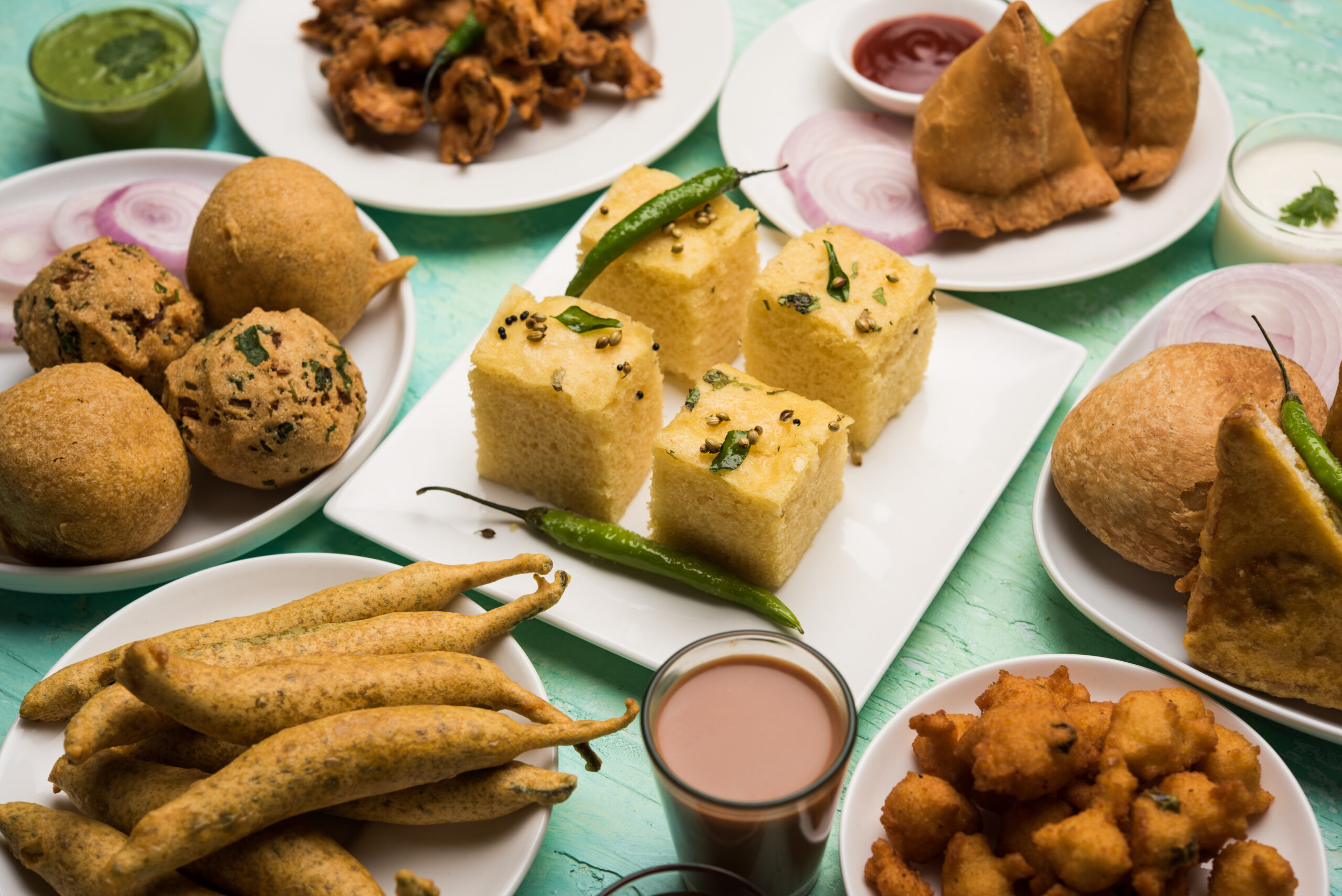
Gujarati farsan traditions produced delicate, steamed snacks like dhokla and khandvi alongside fried ones, reflecting a culinary culture that valued lightness and balance. Tamil Nadu’s snack traditions gave the world murukku and mixture, bold and aggressively spiced, built for a palate that embraces heat and sourness. Bengali snacks leaned toward sweets and fried dough preparations. Punjabi snacks were built for warmth and sustenance, heavier and more fortifying than those from coastal regions.
Each of these regional traditions developed independently, refined by generations of cooks who worked with what was locally available and what their communities loved. The result is a breadth of traditional Indian snack culture that is genuinely unmatched anywhere in the world and that continues to reward exploration.
Why the Younger Generation Is Rediscovering Traditional Indian Snacks
Something interesting is happening in India and among Indian communities worldwide. After decades of being overshadowed by global fast food brands and packaged snack products, traditional Indian snacks are experiencing a powerful revival. Younger consumers, many of whom grew up eating commercial snacks, are actively seeking out authentic versions of the snacks their grandparents made. Social media has played a role, as videos of home cooks preparing chakli or chivda from scratch draw millions of views. But the deeper driver is taste.
Once a young person who grew up on factory-made snacks tastes a properly made traditional Indian snack made with real ghee, freshly ground spices, and traditional technique, the difference is impossible to ignore. The richness, the complexity, the way the flavor evolves from the first bite to the last, none of that exists in the commercial version. That first authentic bite is often the beginning of a lasting rediscovery.
UK Foods exists precisely for this moment of rediscovery, to be the bridge that connects people back to the flavors that defined Indian snack culture long before convenience became the priority.
Conclusion: Tradition Does Not Just Survive, It Wins
Traditional Indian snack recipes have not survived generations by accident. They have survived because they are genuinely, fundamentally better than the alternatives. They taste richer because they are made with better ingredients. They taste more complex because the techniques that create complexity have been preserved. They taste more satisfying because generations of refinement have perfected the balance of flavor, texture, and aroma in ways that no product development team working to a commercial brief can replicate.
Every time someone bites into a properly made chakli, a hand-rolled mathri, or a freshly fried murukku and says that it tastes like home, they are experiencing the accumulated wisdom of every cook who ever made that recipe before them. That is not a small thing. That is everything.
UK Foods is committed to making sure that wisdom never gets lost. Our handcrafted traditional Indian snacks are made with pure ingredients, time-honored techniques, and a genuine belief that the old ways are not just worth preserving. They are worth celebrating every single day.