

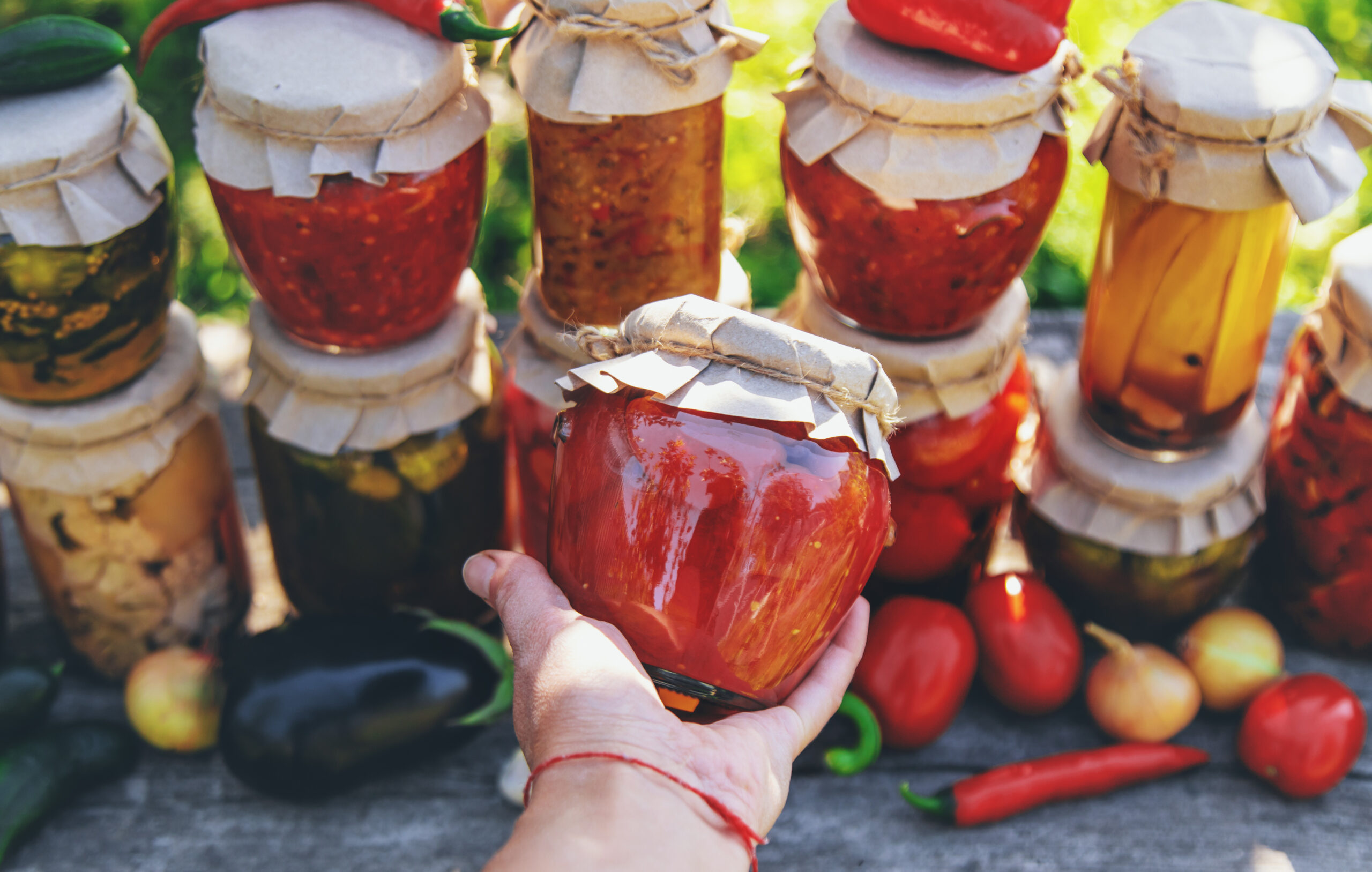
The Soul of Indian Kitchens Lives Inside a Pickle Jar
There is something about the smell of raw mangoes meeting freshly ground mustard and warm mustard oil that no perfume in the world can replicate. Every summer across Indian households, windows are thrown open, large steel vessels are pulled out, and the ritual begins. This is not simply cooking. This is a tradition that has been alive for centuries, quietly passing from one pair of hands to another, carrying memory, love, and bold flavor in every jar.
Traditional Indian pickles, known as achaar, are not made in an afternoon. They are not a product of convenience. They are the result of patience, precision, and a deep respect for the ingredients. Yet somewhere along the way, that process got replaced by factory lines, artificial preservatives, and shortcuts that strip the achaar of everything that made it worth eating. Understanding how traditional Indian pickles are actually made is the first step toward appreciating why the process matters and why it changes the way your food tastes forever.
How It All Begins: Choosing the Right Ingredients at the Right Time
Traditional Indian pickle making is deeply seasonal. Raw mangoes are harvested in their prime. Lemons are picked at their most fragrant. Green chilies are chosen for their heat level and thickness. Garlic is selected for its pungency. Every ingredient entering a traditional pickle is chosen because of what it will become, not just what it is at that moment.
Once selected, the fruits and vegetables are washed thoroughly and wiped completely dry. Even a single drop of water at this stage can introduce moisture that leads to spoilage. That attention to detail, that care, is baked into the very foundation of the process. At UK Foods, only farm-fresh produce and handpicked spices find their way into every jar, because the quality of the final pickle is entirely decided at this very first step.
The Magic of Sun-Drying and Why It Cannot Be Skipped
Ask any grandmother about her pickle recipe and she will tell you about the sun before she tells you about the spices. Sun-drying is one of the most critical and most underappreciated steps in making traditional Indian pickles. The sliced fruits and vegetables are spread out under direct sunlight for hours, sometimes days, depending on the recipe.
The natural moisture is gently drawn out of the produce during this process. This prevents mold, prevents spoilage, and concentrates the natural sugars and flavors deep within the flesh. Sun-drying also prepares the produce to absorb spices and oil far more effectively than if it were used fresh and moist. Spice powders and salt are often sun-dried separately as well, ensuring no residual moisture contaminates the batch. This step alone separates a traditional Indian pickle from a commercial one. It is slow, weather-dependent, and impossible to rush, which is exactly why mass-produced brands skip it entirely.
The Art of Grinding Spices From Scratch
In a traditional Indian pickle-making process, no spice is used straight from a store-bought packet. Whole spices are dry-roasted on a hot iron griddle until they release their essential oils and fill the kitchen with their fragrance. Fenugreek seeds, mustard seeds, fennel, dried red chilies, cumin, and coriander are each roasted to a specific degree before being ground into coarse or fine powders on a stone grinder.
Dry roasting activates the volatile compounds in the spices, releasing layers of aroma and flavor that are permanently locked away in pre-ground powders. The difference between a pickle made with freshly ground spices and one made with commercial packets is the same as the difference between freshly brewed coffee and instant. It hits you in the first bite and stays with you. UK Foods follows this time-honored approach, using whole spices prepared fresh rather than readymade blends that lose their potency long before they reach the jar.
Choosing the Right Oil and Knowing How to Use It
The choice of oil in traditional Indian pickles is not a minor detail. It is a defining characteristic. Mustard oil is the backbone of North Indian pickles, prized for its sharp, pungent depth and natural antimicrobial properties. Sesame oil is the preferred choice in South Indian preparations, lending a nutty richness that complements tangy ingredients beautifully. Groundnut oil is favored in Western India for its milder, sweeter profile.
In the traditional method, the chosen oil is heated to its smoking point and then allowed to cool completely before being added to the pickle mixture. Heating the oil removes its raw bitterness, activates its preservation properties, and ensures that when it coats the spice-covered produce, it forms a protective, flavor-enhancing layer that keeps the pickle fresh for months without any artificial additives. Pouring raw oil directly into an achaar skips this transformation entirely and produces a flatter, less complex flavor that no amount of spice can fix.
The Fermentation Phase: Where Real Flavor Is Born
Once all the ingredients are combined, the pickle is transferred to sterilized glass or ceramic jars and placed in a warm, sunny spot to ferment naturally for days, sometimes weeks. During this fermentation phase, beneficial bacteria break down the natural sugars in the fruits and vegetables, creating lactic acid. This lactic acid acts as a powerful natural preservative and adds that distinctive tang that makes a good traditional Indian pickle instantly recognizable.
The jars are turned or gently shaken daily to ensure even distribution of oil, spices, and the developing brine. Over time, the raw sharpness of the spices mellows, the fruit softens slightly while retaining its texture, and every flavor weaves together into something far greater than the sum of its parts. This slow fermentation also makes traditional Indian pickles genuinely rich in probiotics that support gut health and digestion, a benefit that disappears completely when artificial vinegar or heat-processing is used to speed things up.
Why Patience Is the Most Important Ingredient of All
The greatest challenge in making traditional Indian pickles is not sourcing the right mangoes or grinding the right spices. It is waiting. Some pickles are table-ready in a week. Others, like whole lime pickles or mixed vegetable achaar, develop their best flavors only after a month or more of slow maturation. The flavors continue to deepen with age, which is why a well-made traditional pickle stored correctly can last well over a year and often tastes even better toward the end of the jar.
No factory can afford to let a batch sit for six weeks while it reaches peak flavor. This is exactly why traditional Indian pickles made the right way taste the way they do and why no shortcut has ever successfully replicated that taste. At UK Foods, every handcrafted pickle is given the time and attention it deserves, because real flavor cannot be manufactured. It has to be allowed to develop on its own terms.
What Gets Lost When the Process Is Rushed
Walk into any large supermarket and you will find rows of pickle jars sporting familiar Indian names. Look at the label and you will find refined oils instead of cold-pressed mustard oil, synthetic preservatives, artificial colors, and standardized spice blends manufactured for consistency and shelf efficiency, not for taste or authenticity.
The result is a pickle that smells vaguely familiar but tastes flat, sharp in the wrong ways, and completely devoid of the emotional resonance that a real achaar carries. The complexity is missing because the process that creates complexity has been removed. Once you have tasted a properly made traditional Indian pickle, you cannot unknow what is missing in the commercial version. The difference is immediate, unmistakable, and irreversible.
Traditional Indian Pickles Are More Than Just a Condiment
In India, achaar is packed into the first tiffin a mother sends her child when they move away for college. It is the jar sitting at the center of a wedding feast table. It is the first thing pulled from a care package sent across continents to someone who is homesick. A traditional Indian pickle is not just a condiment alongside dal and rice. It is comfort. It is identity. It is a spoonful of home that travels anywhere.
The process by which traditional Indian pickles are made, slow and deliberate and rooted in knowledge passed from one generation to the next, is what fills them with this meaning. When the process is honored, the emotion survives. When it is abandoned, only the shadow of the taste remains. UK Foods was built on exactly this understanding, that the people eating this food deserve the real thing every single time.
Conclusion: The Process Is the Product
When you open a jar of traditional Indian pickles and that hit of spiced, tangy, oil-rich aroma reaches you before you have even picked up a spoon, you are experiencing the result of dozens of small, deliberate decisions made across days or weeks. Every step of the process adds something that cannot be faked or purchased as an ingredient. The process is not a background detail. The process is the product. And that is exactly why it matters.
UK Foods invites you to taste that difference for yourself. Our handcrafted traditional Indian pickles are made with pure, high-quality ingredients, time-honored recipes, and the kind of patience that produces bold, authentic flavor in every single bite. Because when it comes to real achaar, there are no shortcuts worth taking.