

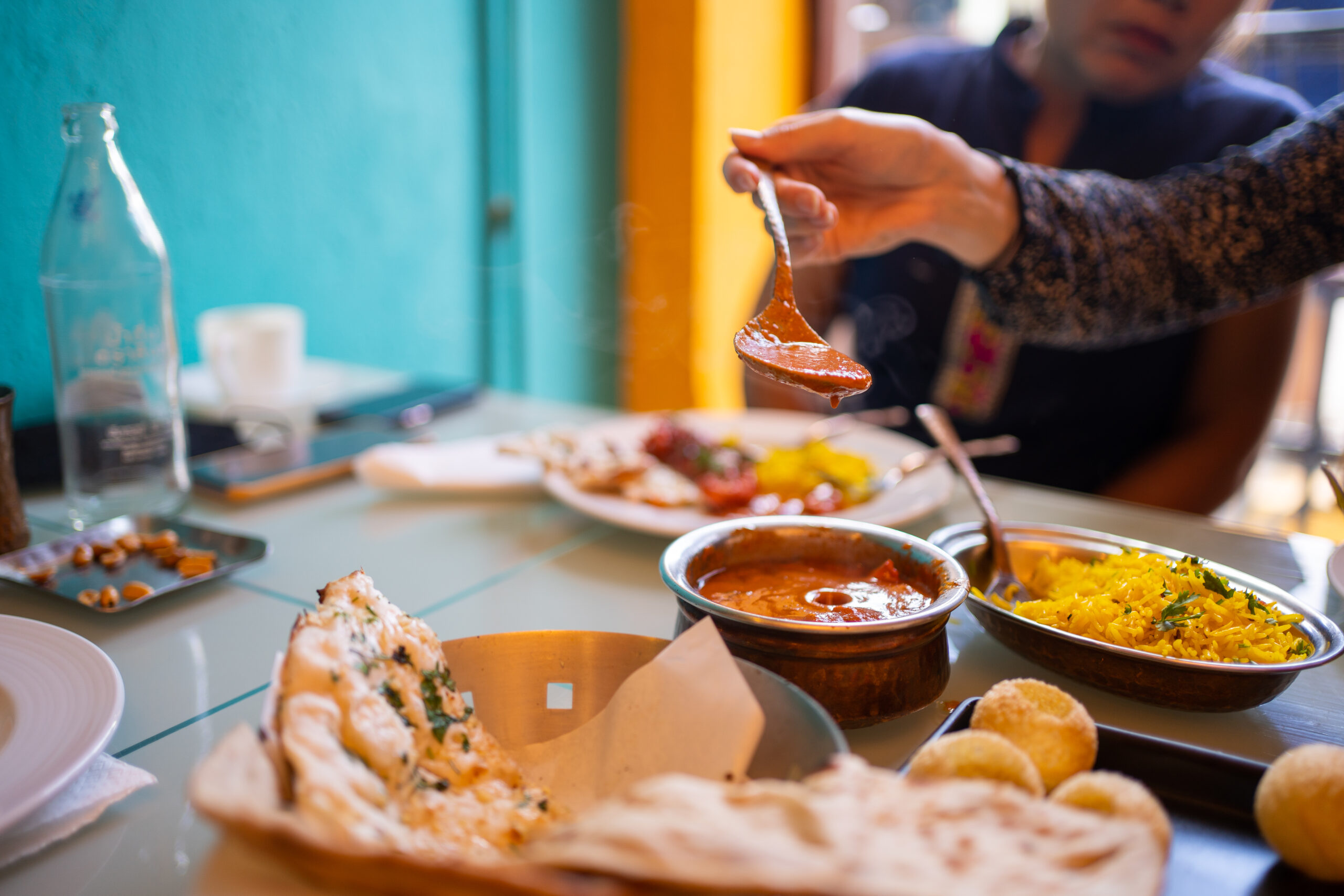
Culinary Heritage As The Foundation Of Food Trust
Trust in food does not happen instantly. It is built over time through consistency, familiarity, and honesty. Indian culinary heritage plays a central role in creating this trust. When people understand how Indian culinary heritage builds trust in food, they realize that it begins in home kitchens where recipes are repeated across generations. These recipes are not experiments but proven methods refined through experience. This continuity creates confidence in taste, quality, and safety, making heritage based food naturally trustworthy.
Why Familiar Flavors Create Confidence
One of the strongest ways Indian culinary heritage builds trust in food is through familiar flavors. When food tastes the way it always has, people feel reassured. Familiar spice combinations, textures, and aromas signal authenticity. This recognition removes doubt and builds comfort. UK Foods follows heritage flavor profiles so customers immediately recognize the taste they trust, without feeling uncertainty or surprise.
Traditional Methods Encourage Transparency
Heritage cooking relies on visible and understandable processes. Grinding spices, slow cooking, natural resting, and careful mixing are techniques people recognize and trust. There is no mystery involved. This transparency is a key reason how Indian culinary heritage builds trust in food. When people understand how food is made, they feel confident consuming it. Traditional methods remove fear of hidden processing or artificial interference.
Ingredient Wisdom Passed Through Generations
Indian culinary heritage emphasizes ingredient knowledge. Families know which ingredients to use, when to use them, and how much to use. This wisdom is passed down verbally and practically. Such knowledge explains how Indian culinary heritage builds trust in food because it avoids unnecessary additives or shortcuts. UK Foods respects this ingredient wisdom by choosing raw materials that align with traditional expectations rather than industrial convenience.
Consistency Strengthens Long Term Trust
Trust grows when food delivers the same experience repeatedly. Heritage recipes offer consistency because they follow established patterns rather than changing trends. This reliability is a major factor in how Indian culinary heritage builds trust in food. When customers experience the same flavor, aroma, and satisfaction every time, confidence naturally deepens. Consistency turns first time buyers into loyal consumers.
Cultural Roots Create Emotional Security
Food is closely tied to emotion. Indian culinary heritage carries memories of family meals, festivals, and daily rituals. This emotional connection plays a significant role in how Indian culinary heritage builds trust in food. When food reminds people of home and tradition, they associate it with care, safety, and love. UK Foods preserves these emotional cues, allowing customers to feel secure in their food choices.
Why Heritage Cooking Avoids Overprocessing
Heritage cooking focuses on minimal processing. Ingredients are treated gently to preserve their natural qualities. This approach helps explain how Indian culinary heritage builds trust in food because people feel confident eating food that has not been excessively altered. Overprocessing often creates suspicion, while traditional preparation feels honest and safe.
Balanced Flavors Signal Quality And Care
Indian culinary heritage values balance. No single flavor dominates unnecessarily. Spice, salt, sweetness, and richness are carefully controlled. This balance communicates care and expertise. It is another reason how Indian culinary heritage builds trust in food. Balanced flavors suggest that the food was prepared thoughtfully rather than mechanically, reinforcing confidence in quality.
Heritage Cooking Aligns With Digestive Comfort
Traditional Indian cooking was designed to support digestion and well being. Spices and preparation techniques were chosen with the body in mind. This functional aspect further explains how Indian culinary heritage builds trust in food. When food feels light, comforting, and satisfying after eating, trust strengthens naturally. UK Foods follows these traditional principles to ensure food feels as good as it tastes.
Why Mass Production Struggles To Build Trust
Modern mass production often prioritizes speed and scale. While efficient, it lacks the emotional and cultural grounding of heritage cooking. This contrast highlights how Indian culinary heritage builds trust in food while industrial methods struggle to do the same. Heritage based food feels personal and intentional, while mass produced food often feels distant and impersonal.
Heritage As A Marker Of Authenticity
Authenticity is a powerful trust signal. Indian culinary heritage serves as proof that food follows established cultural standards. When food is rooted in heritage, people believe it reflects genuine practice rather than marketing claims. This authenticity is central to how Indian culinary heritage builds trust in food. UK Foods uses heritage as a guiding principle, not a promotional label.
Trust Grows When Tradition Meets Responsibility
Heritage alone is not enough without responsibility. When traditional methods are combined with modern hygiene and quality control, trust becomes even stronger. This balance shows how Indian culinary heritage builds trust in food in today’s world. UK Foods respects tradition while maintaining high standards of cleanliness and consistency, strengthening customer confidence.
Conclusion How Indian Culinary Heritage Creates Lasting Trust
Understanding how Indian culinary heritage builds trust in food reveals the power of tradition, consistency, and emotional connection. From familiar flavors and transparent methods to balanced taste and digestive comfort, heritage based food reassures consumers at every level. UK Foods carries this heritage forward with responsibility and respect, ensuring that every product reflects trust built through generations. When food is rooted in culinary heritage, trust is not claimed, it is earned naturally over time.